Championing Workplace Wellbeing – WA’s Blueprint for Better Workplaces
Western Australia has been setting the national benchmark as the leader championing workplace wellbeing. By supporting a preventative and holistic approach that values both physical safety and psychological wellbeing. The East Coast industries are adopting a similar mindset for their teams. Companies across WA have been increasingly embedding wellbeing at the heart of their operations, treating it as a core business strategy.
Through the WorkSafe WA Strategy 2023–26, the state has set ambitious targets to cut work-related fatalities by 10%. Additionally, reduce serious injuries and illnesses by 7%. But what truly sets WA apart is the way it tackles wellbeing beyond the physical:
- Psychosocial leadership – directly addressing workplace stress, bullying, fatigue, and harassment as core health and safety risks.
- MARS Program (Mental Awareness, Respect and Safety) – a world-first initiative in mining that targets mental health, workplace culture, and sexual harassment prevention.
- FIFO Code of Practice – a comprehensive standard to address the unique mental health and safety challenges of FIFO operations, from fatigue to accommodation.
- Strong worker voice – More emphasis on consultation, health and safety reps, and trauma-informed responses to complaints.
Due to mental health conditions alone, the Australian government estimates businesses lost up to $39bn per year in productivity. Therefore, issuing $5.6m for small and medium-sized businesses to support mental health training programs over 2 years. Large businesses will undergo compliance checks to actively address the issue and will be held accountable if they fail to lift their standards.
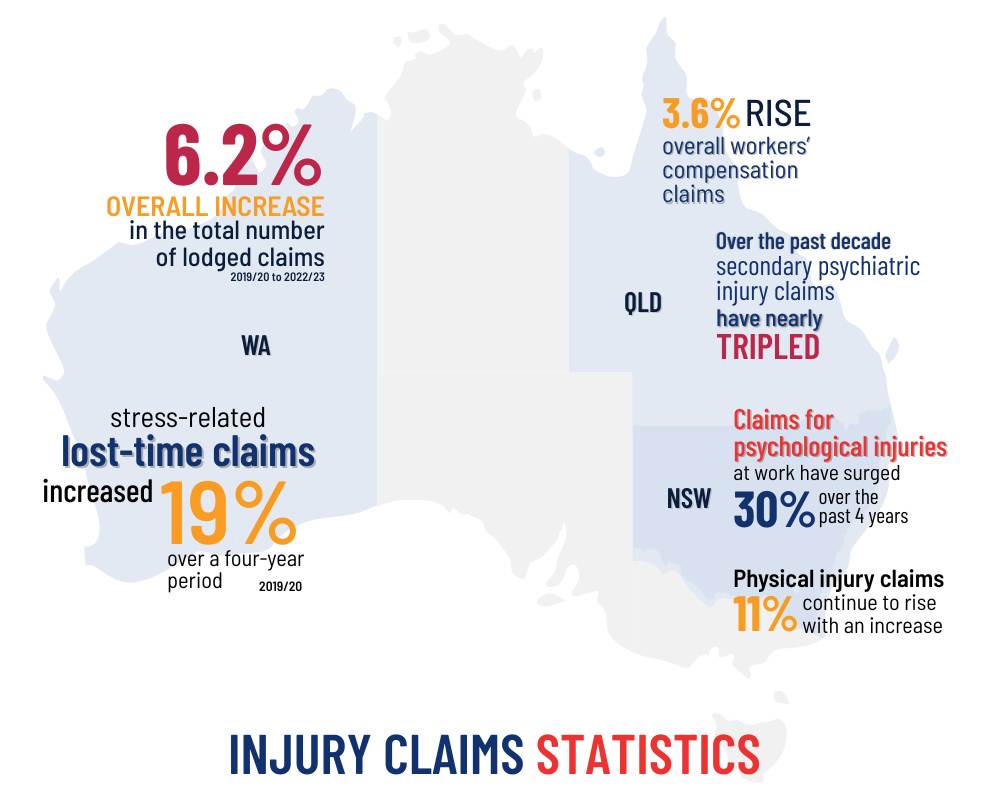
The stats speak for themselves
The Heart of Wellbeing in WA’s Unique Mining Industry
Western Australia’s mining sector drives the state’s economy, generating billions in investment and supporting thousands of jobs. Industry leaders are increasingly recognising that employee health and wellbeing are just as vital as productivity and profit.
Wellbeing on the Ground
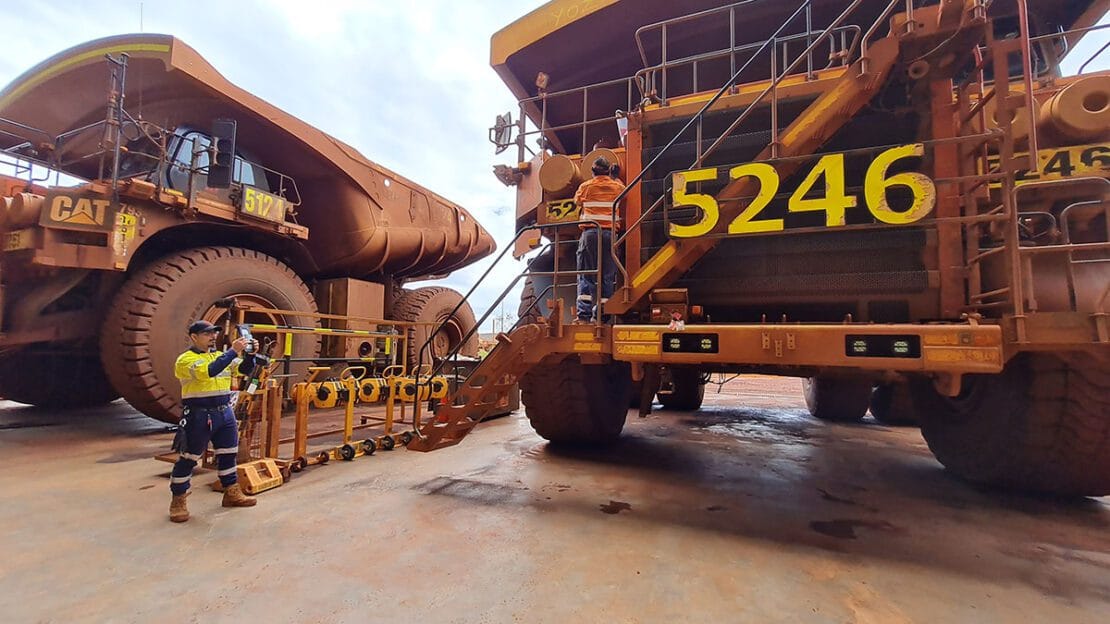
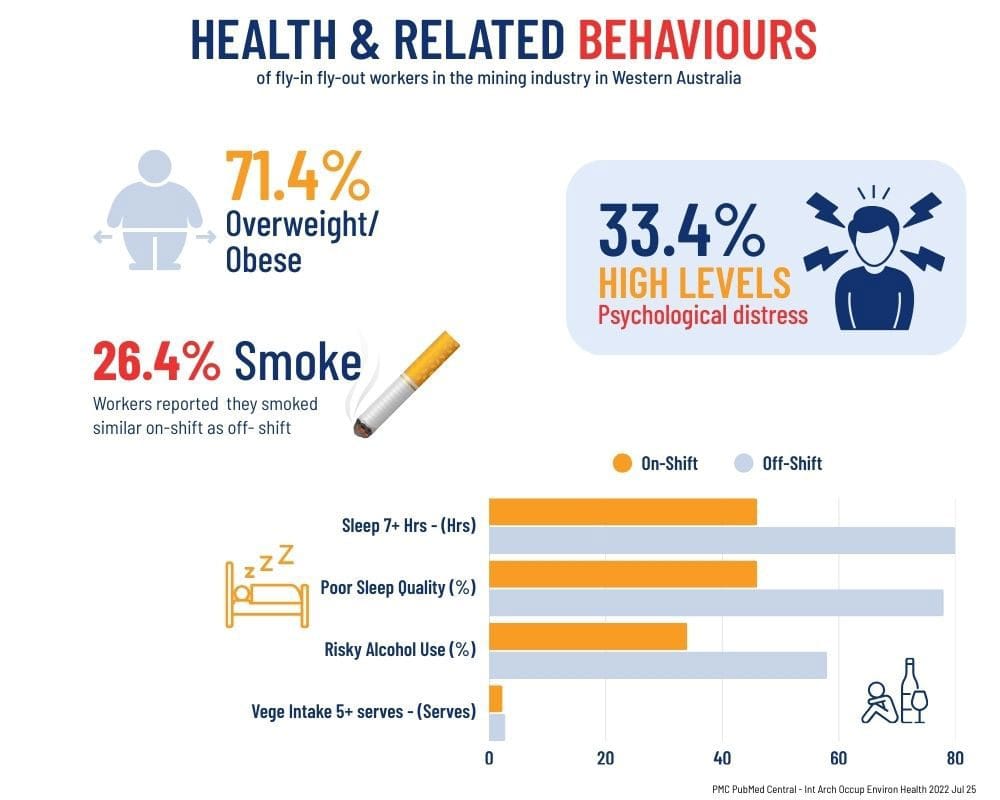
A recent study (2022) shows that physical health outcomes among FIFO workers remain generally positive. While findings show that only 5% of employees report fair or poor health. However, the nature of FIFO and shift work can have a significant impact on worker health. Lifestyle behaviours such as diet, exercise, sleep, and stress management often fluctuate dramatically between on-shift and off-shift periods. These fluctuations can contribute to fatigue, mental health challenges, and long-term physical health risks if not properly managed.
This is why implementing wellbeing programs is essential. Wellbeing programs offer structured support that helps employees sustain healthy habits, even under the pressures of FIFO schedules.
WA Mining Companies Are Addressing Employee Wellbeing
Over 90% of mining companies now reference ’employee wellbeing’ in their official reporting, showing a clear shift in priorities. Larger companies, and those with higher female representation in leadership, are more likely to invest in mental health and workplace culture initiatives.
Championing Workplace Wellbeing – How does WFR do it?
WFR partners with companies across Australia to deliver tailored solutions that target key wellbeing priorities. By working closely with management, we develop strategies that help employees thrive while supporting companies to create safer, healthier, and more productive workplaces.
Wellbeing as the Next Frontier in WA
Western Australia continues to attract billions in mining investment, reinforcing its position as a global resources leader. Yet, alongside this growth, the industry faces an ongoing challenge – creating workplaces where employees are not only physically safe but also mentally healthy, supported, and engaged.
Across the sector, companies are being urged to move beyond compliance and embed wellbeing into the culture of their operations. Doing so isn’t just good practice — it’s essential for long-term sustainability and workforce performance. Despite strong safety systems, job satisfaction in mining continues to lag behind other industries, and levels of psychological distress are on the rise.
WFR Bringing More Programs to the East Coast
WA has proven that a holistic, preventative approach to workplace wellbeing reduces risks and improves culture. The East Coast needs to follow suit by integrating wellbeing into its core business strategy – not only to tick compliance boxes. The results speak for themselves: WA’s focus on psychosocial safety, physical injury reduction, and proactive health programs delivers real outcomes. It has proven ROI, which can safeguard their people, foster a positive workplace culture, and boost productivity.
It’s now time for the rest of the nation to rise to the same standard of care.