
How to Prevent Costly Claims from Minor Workplace Injuries
Stopping Small Injuries Before They Become Big Problems
Early intervention in workplace injuries is critical, particularly in manual roles, such as mining, processing and warehouse environments.
Across Australia, research shows that delayed reporting is linked to longer recovery times and higher workers’ compensation costs. Even short delays can significantly affect outcomes.
However, even short delays can have a major impact.
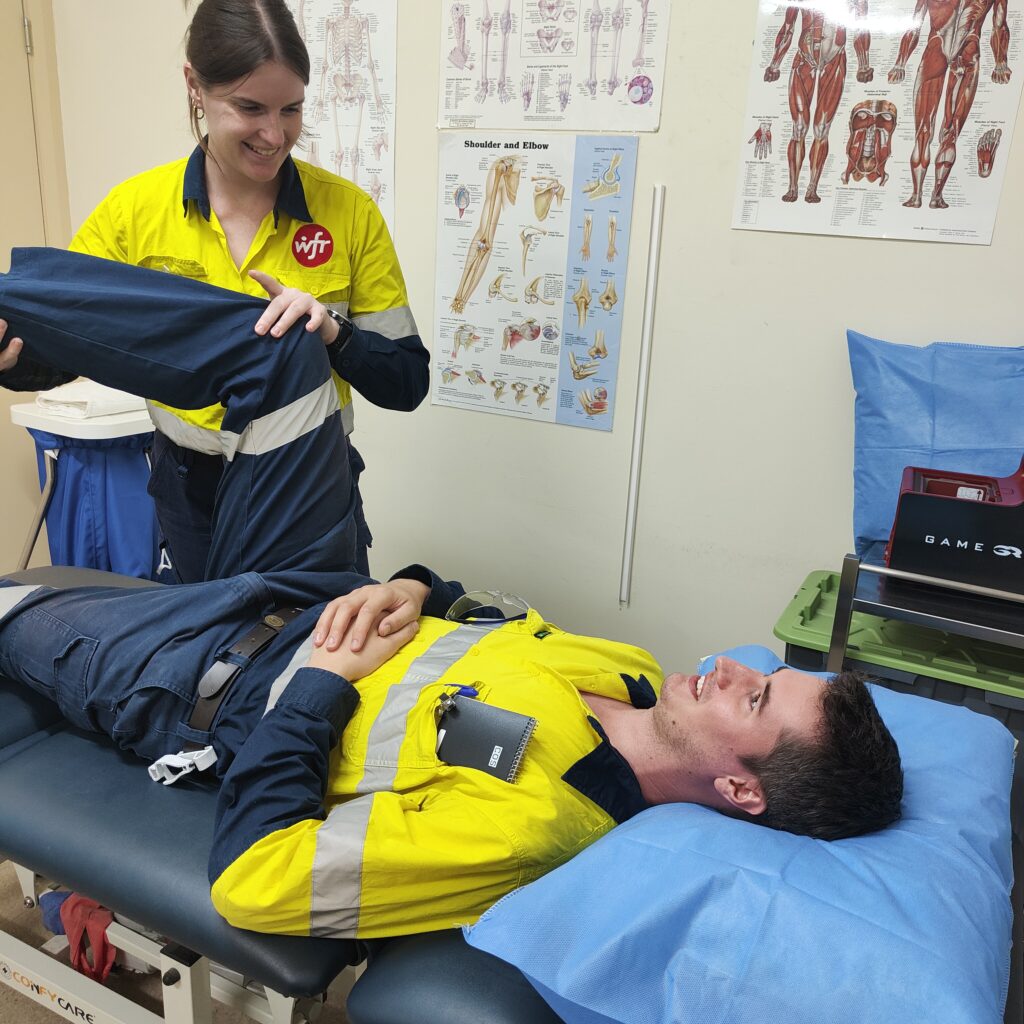
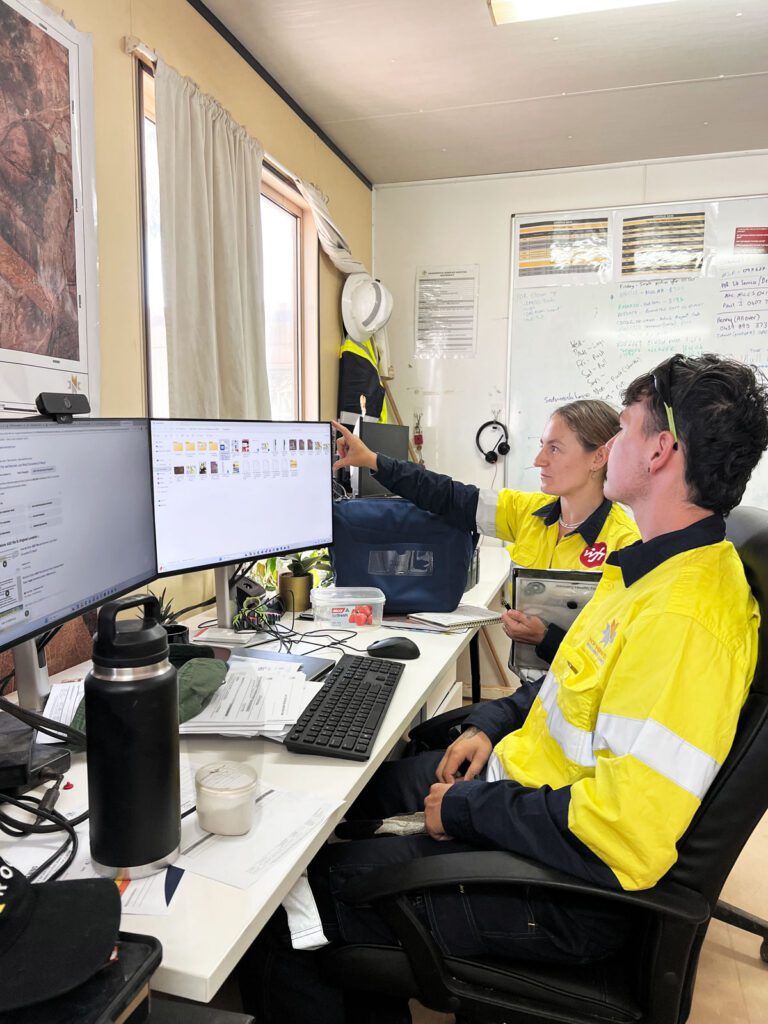
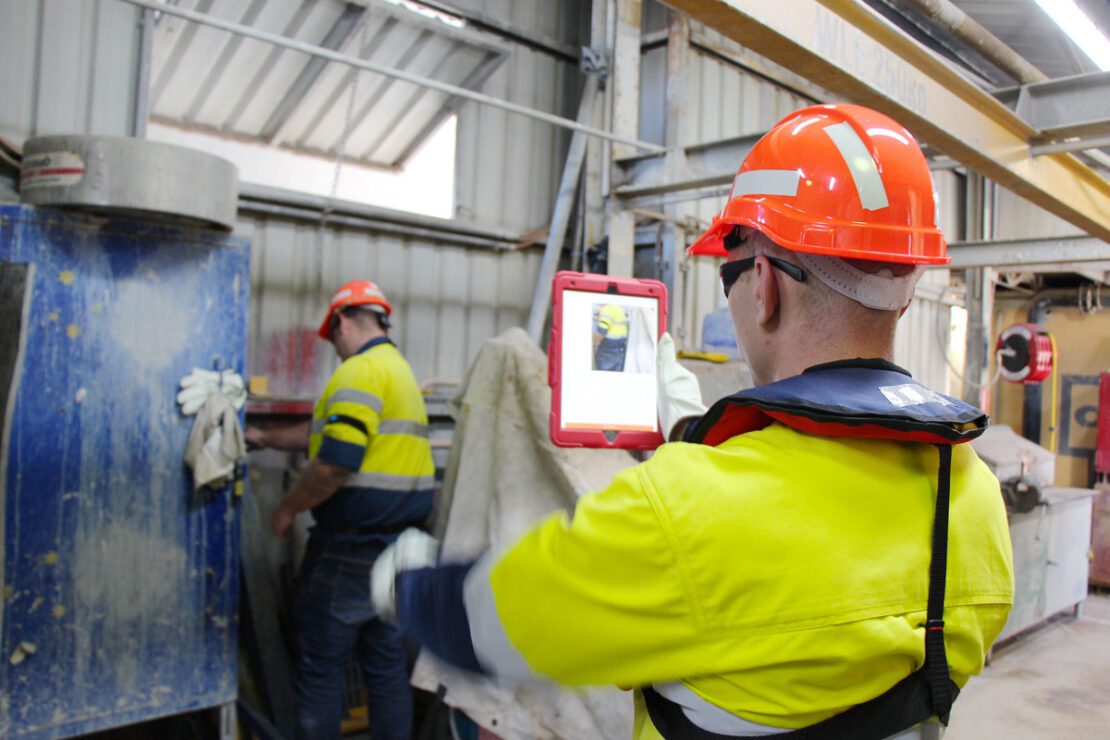
Onsite Physiotherapy and Exercise Physiology services have been shown to increase early reporting, shorten recovery times, and reduce the number of injuries that progress to workers’ compensation claims.
As a matter of fact, research shows;
- Claim costs can rise by up to 51%* when reporting is delayed.
- Early contact with an injured worker can increase return-to-work rates by up to 26%* for physical injuries.
- Positive employer response to injury can improve return-to-work rates by up to 43%*.
- Australia recorded over 146,700 serious workers’ compensation claims* in a single year – highlighting the scale of preventable injury risk.
- Workers treated within 7 days recover in about 8 weeks*.
- Following 20 days off work, return-to-work rates drop to about 70%*. (45 days off, they fall to 50% and after 70 days off, it drops to just 35%.)
That is why the message is clear – the earlier a problem is addressed, the better the outcome.
Onsite Physiotherapists Target the Issues
Across Australia, research shows that delayed reporting is linked to longer recovery times and higher workers’ compensation costs. Even short delays can significantly affect outcomes.
In many workplaces, injuries are reported late because workers expect symptoms to improve or continue working through discomfort. As a result, issues are often underestimated and left untreated until they become more serious.
This is why, onsite care removes these barriers.
This practice leads to;
- Fast assessment of symptoms.
- Immediate treatment and advice.
- Easy access, which encourages early reporting.
- Task-specific rehabilitation.
- Safe and gradual return-to-work plans.
- A proactive safety culture.
That being said, this approach keeps workers on site, reduces downtime, and prevents small issues from escalating.
Early Intervention Works – And the Results Show It
Onsite Physiotherapy Services assist in preventing minor injuries from progressing into workers’ compensation claims via early intervention and support, and fostering a culture where employees speak up sooner and take action earlier.
Hence, when organisations act early, they can:
- Reduce downtime.
- Prevent minor issues becoming serious injuries.
- Improve worker wellbeing.
- Increase productivity.
- Lower workers’ compensation costs.
A Smarter Approach to Workforce Injuries
Early intervention is not just a safety strategy.
It is a business advantage.
That is why, by supporting workers with early workplace injury management, organisations build a healthier, stronger, and more productive workforce.
WFR is proud to support organisations across Australia to keep their people safe, strong, and moving well.
Find out more about our early intervention programs and how we can support the people in your business.