
The Power of Conditioning: Why it’s Critical in the Workplace
When we hear about body conditioning, most of us think of athletes – hours in the gym, structured training programs, and the pursuit of peak performance. But conditioning isn’t just for elite sports. The same principles that keep athletes fast, strong, and injury‑resistant can also have a profound impact in physically demanding workplaces. In fact, strength, mobility, and body awareness are some of the most powerful tools you have for boosting performance and reduce injuries at work.
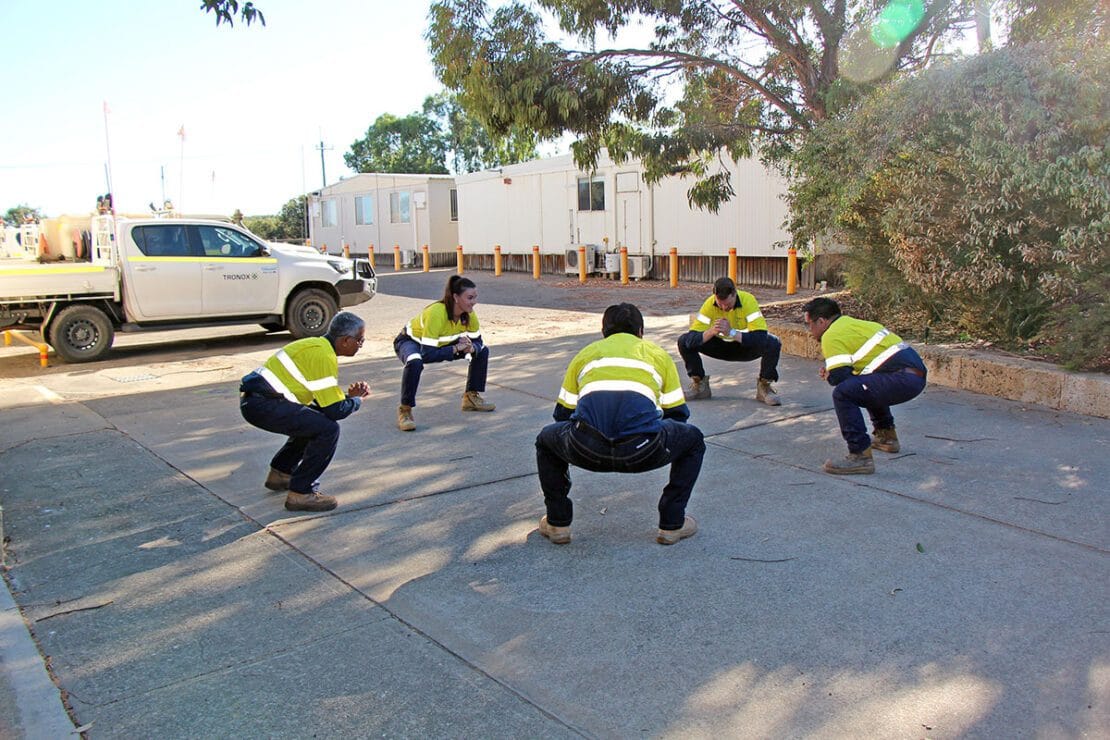
Conditioning for Work
If you think about the workload of physically demanding roles, there are many areas in which they’re performing at a comparable level to high‑performance athletes. Jobs demand strength, stamina, coordination, mobility, and the ability to repeat movements safely – day after day.
Body-stressing injuries impact all ages and are the leading cause of serious workers’ compensation claims and time off work. Across all work sectors, accounting for over one-third of injuries and costing over $90 Million annually in Australia*.
Work conditioning helps build and maintain these qualities. With the right approach, you can:
- Strengthen key muscle groups
- Improve joint stability and control
- Correct muscular imbalances
- Increase mobility and flexibility
- Enhance posture and movement patterns
- Boost confidence and reduce fatigue
But the work perk! You reduce the risk of pain or injury while doing your job.
Mobility + Strength + Stability = Reduce Injuries at Work
Mobility and flexibility play a crucial role in helping the body move freely and efficiently. When your joints can reach their full range with control, tasks like lifting, bending, pushing, and reaching become easier and safer.
As mobility improves, so does your ability to maintain proper technique – your strongest tool against injury. Once good form is locked in, strength training and more explosive movements can be added to boost power and performance.
Start With the Basics
There’s no need to worry about heavy lifting or advanced exercises; it’s essential to master fundamental movement patterns. These are the foundations that underpin almost every physical task you perform at work.
Key patterns include:
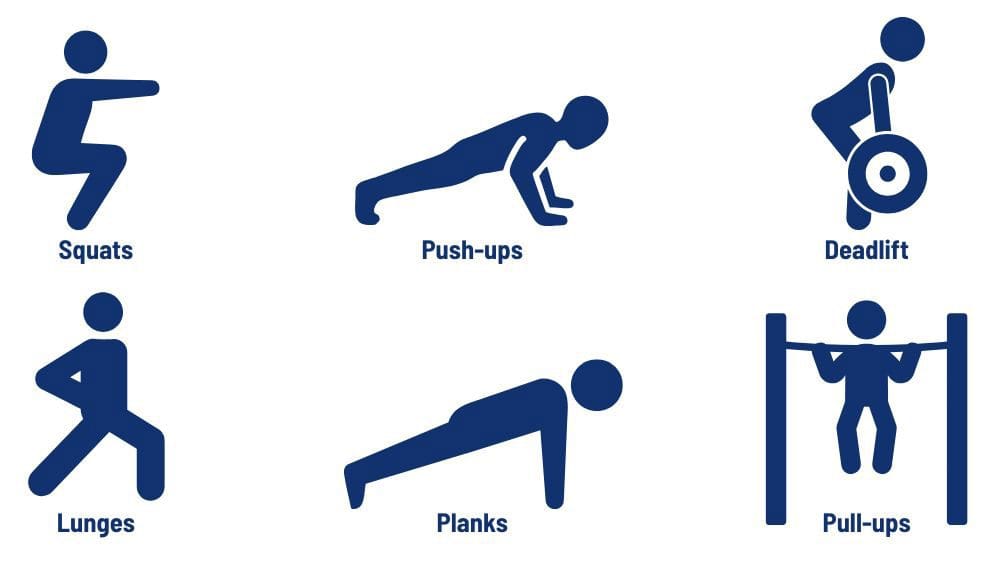
Developing strong motor control in these movements improves posture, timing, balance, and coordination – exactly what’s needed for safe manual handling and repetitive task demands.
WFR in Action: Supporting Physically Demanding Roles
WFR’s Exercise Physiologists and Physiotherapists have been delivering tailored work conditioning programs across all sectors.
These programs focus on:
- Improving strength, mobility, and stability
- Reinforcing functional movement patterns
- Preparing the body for the daily demands of the roles
The goal? Helping individuals work confidently, efficiently, and pain‑free.
Preparing for Work Starts Before Your Shift
Showing up to work is one thing.
Showing up prepared is another.
Consistent and regular work conditioning ensures your body is ready for the physical demands ahead – not just for one shift, but for long‑term health, safety, and performance.
Investing in strength and mobility is one of the most effective ways to reduce injuries at work, maintain energy, and set yourself up for a successful day… every day.